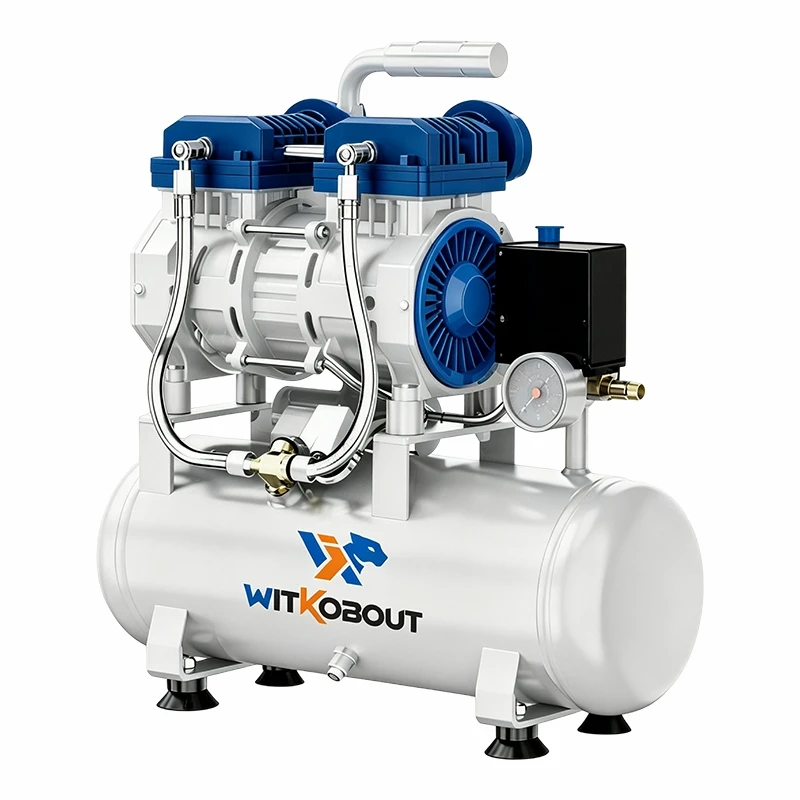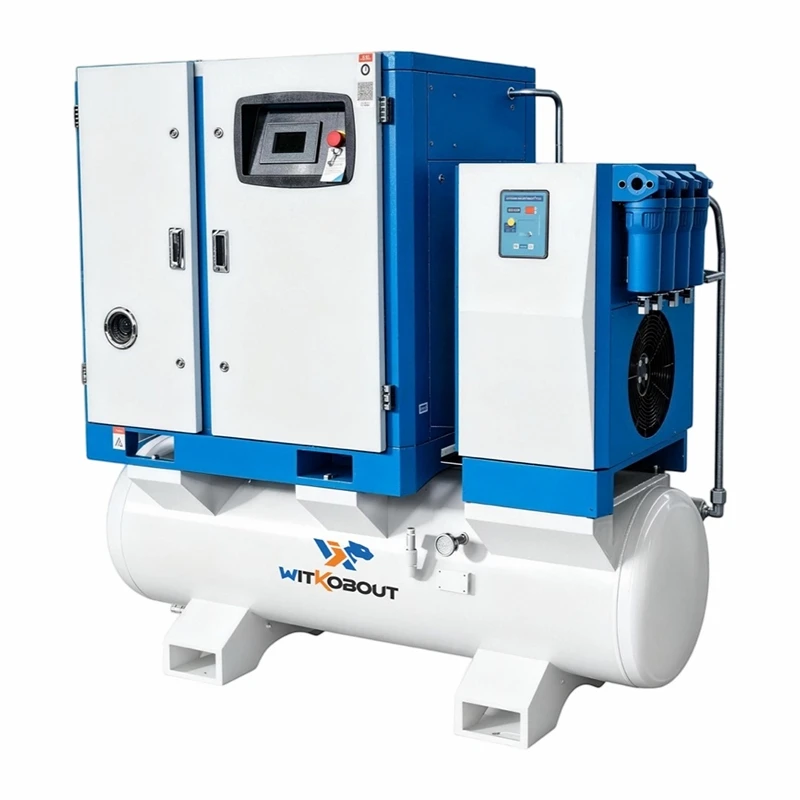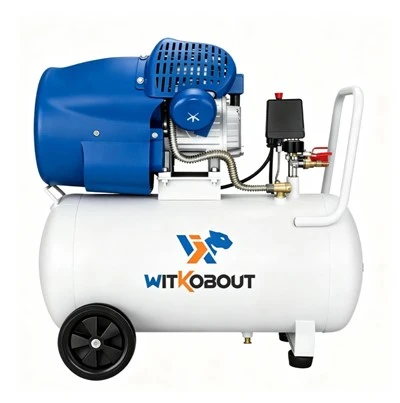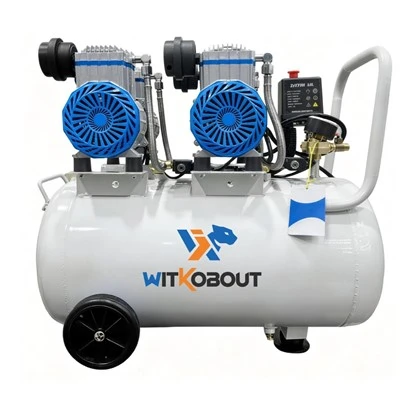
The primary function of an air tank is to store compressed gas. In a compressed air system, the gas produced by the compressor is not always supplied directly to the equipment consuming it; instead, it can be stored in the tank first. This allows for adjustments based on actual consumption needs, ensuring a gas supply when required and maintaining normal equipment operation.
Air tanks also serve to stabilize pressure. During actual operation, air consumption rates may fluctuate constantly; without the buffering effect of a tank, system pressure would be prone to significant instability. By storing a certain volume of compressed air, the tank can replenish the supply when demand rises and store excess gas when demand falls, thereby keeping the supply pressure more consistent.
Additionally, air tanks help reduce the frequency of compressor start-stop cycles. When short-term fluctuations in air demand occur, the system can utilize the stored air for adjustment without immediately starting the compressor. This not only ensures smoother compressor operation but also helps minimize equipment wear and energy consumption.
Air tanks also assist in separating some moisture and impurities from the compressed air. As the air enters the tank, its flow velocity decreases; consequently, some condensate formed as the air cools settles at the bottom of the tank, where it can be removed via a drainage device. Thus, beyond its roles in gas storage and pressure stabilization, the air tank acts as a buffer and aids in moisture removal within the system.