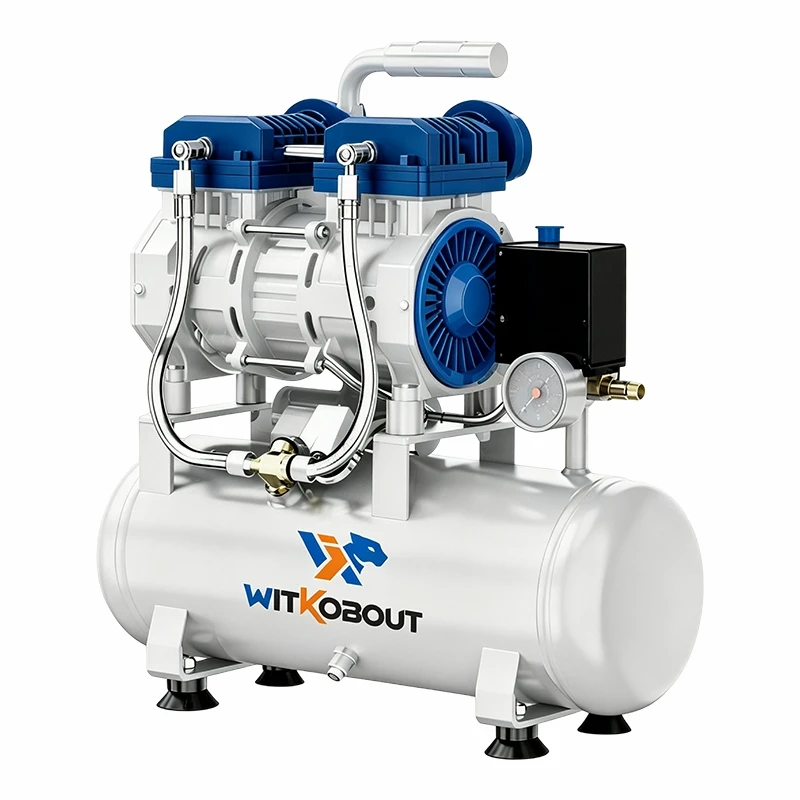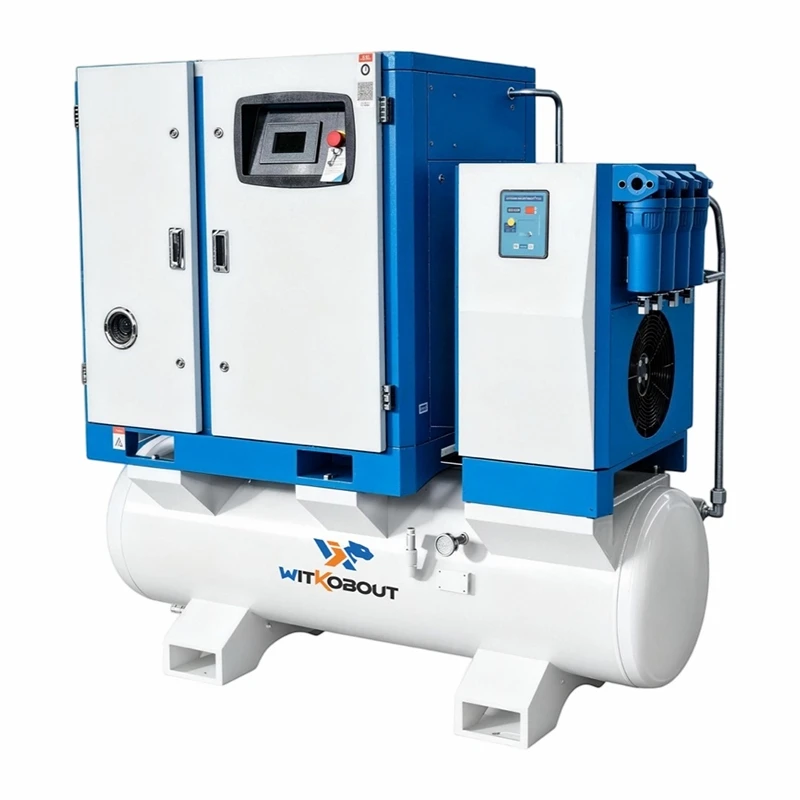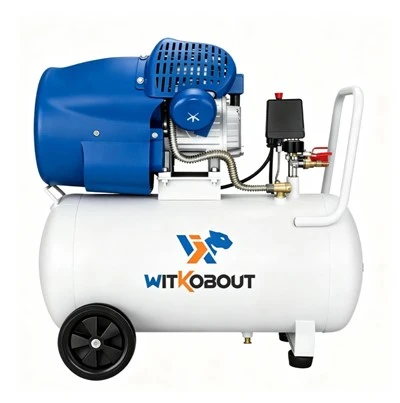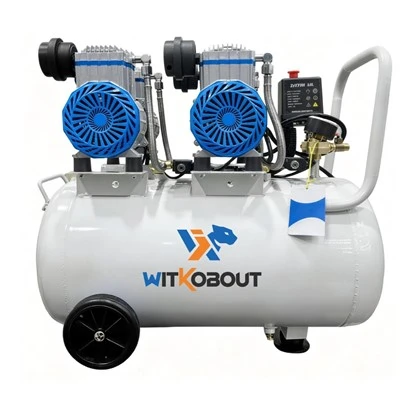
Performance testing of air tanks primarily aims to assess the equipment's pressure-bearing capacity and sealing integrity, as well as the functionality of various safety components. Before testing begins, a visual inspection is conducted to check for obvious deformation, cracks, corrosion, or weld defects on the tank's surface, while also examining connection points-such as inlets, outlets, and drain ports-for air leaks. For tanks that have been in service for a long time, particular attention must be paid to rust and corrosion, as these can gradually thin the tank walls and compromise pressure-bearing capacity. These preliminary checks help identify obvious issues early, preventing the equipment from continuing to operate with faults.
Pressure performance is a critical aspect of air tank testing. Testing involves verifying the operating pressure against design specifications and relevant standards to ensure the tank remains stable within its normal pressure range. For equipment requiring hydrostatic or pneumatic pressure testing, procedures must follow established protocols, with close monitoring for abnormalities such as significant deformation or leakage during the test. Additionally, the functionality of pressure gauges and safety valves must be verified. Pressure gauges display internal pressure; inaccurate readings can mislead operators regarding the equipment's status. Safety valves relieve pressure when it exceeds specified limits, making them vital components for ensuring safe operation.
Air tanks also require checks for sealing integrity, drainage functionality, and overall operational status. Poor sealing leads to continuous compressed air leakage, which not only impairs air supply efficiency but also increases the air compressor's runtime and energy consumption. Drainage systems must also be inspected, as compressed and cooled air generates condensate; if this accumulates inside the tank over time, it can cause corrosion. Air tanks classified as special equipment are subject to mandatory periodic inspections and maintenance in accordance with relevant regulations. Comprehensive testing-covering visual condition, pressure performance, safety accessories, and sealing integrity-enables the timely detection of issues, ensuring the air tank operates safely and reliably.