Gas cylinder colors primarily serve to help personnel identify and distinguish between different types of gases or intended uses. In industrial settings, specific colors are often used to mark different gases, allowing workers to quickly determine a cylinder's general purpose even from a distance or in poor lighting conditions. For instance, gases such as oxygen, nitrogen, and carbon dioxide may be designated by different colors depending on the applicable standards. It is important to note, however, that color coding is not universally standardized; therefore, one should not rely solely on color to identify the gas stored inside.
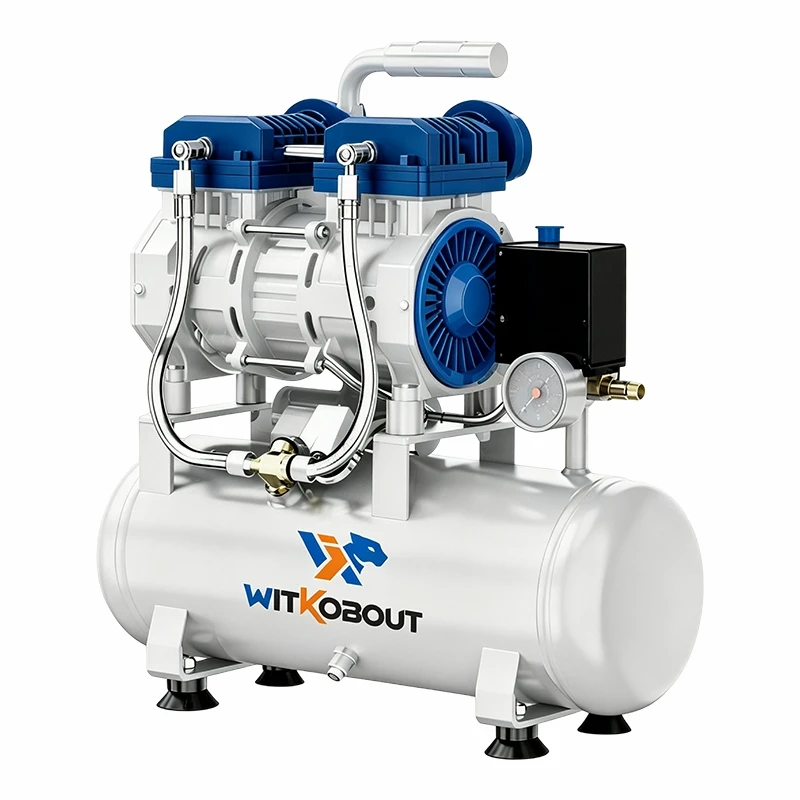
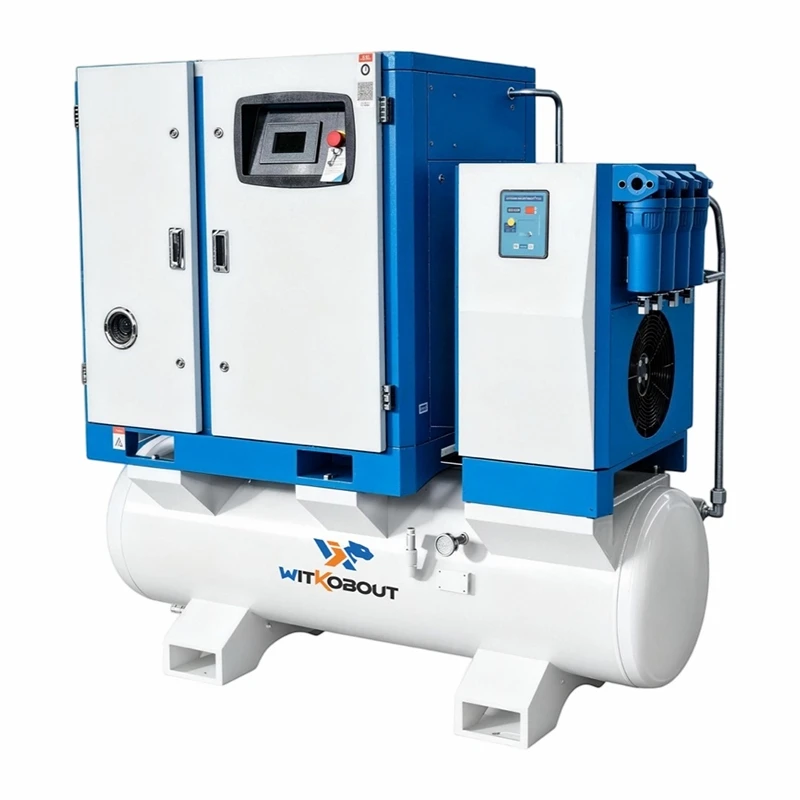
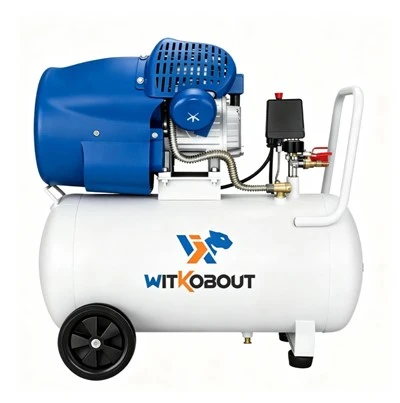
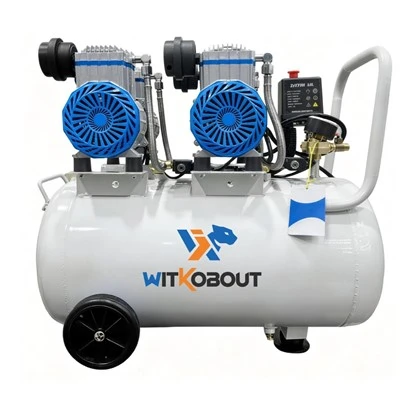
Standard compressed air storage tanks typically undergo rust-proofing and anti-corrosion treatments, with gray and blue being common colors. Beyond identification, the color also serves as a form of protective coating for the equipment's exterior. Since these tanks are often situated in factory or workshop environments where surfaces are exposed to humid air, dust, and other contaminants, painting or other anti-corrosion treatments are usually required. These coatings help mitigate surface rust and make it easier for personnel to spot issues such as paint chipping or corrosion.
Color should be regarded only as a supplementary identification method; the most reliable approach is to check the equipment's nameplate, the name of the contained medium, warning signs, and relevant labels. This is particularly critical for pressure vessels storing various gases-one must never judge the internal contents based on exterior color alone. If a cylinder's color does not match site regulations, or if labels are illegible or missing, usage should be suspended until the contents can be verified. Such precautions help prevent operational errors; in environments like factories and laboratories where multiple gas types are present, correctly identifying the contents of a gas cylinder is essential for operational safety.