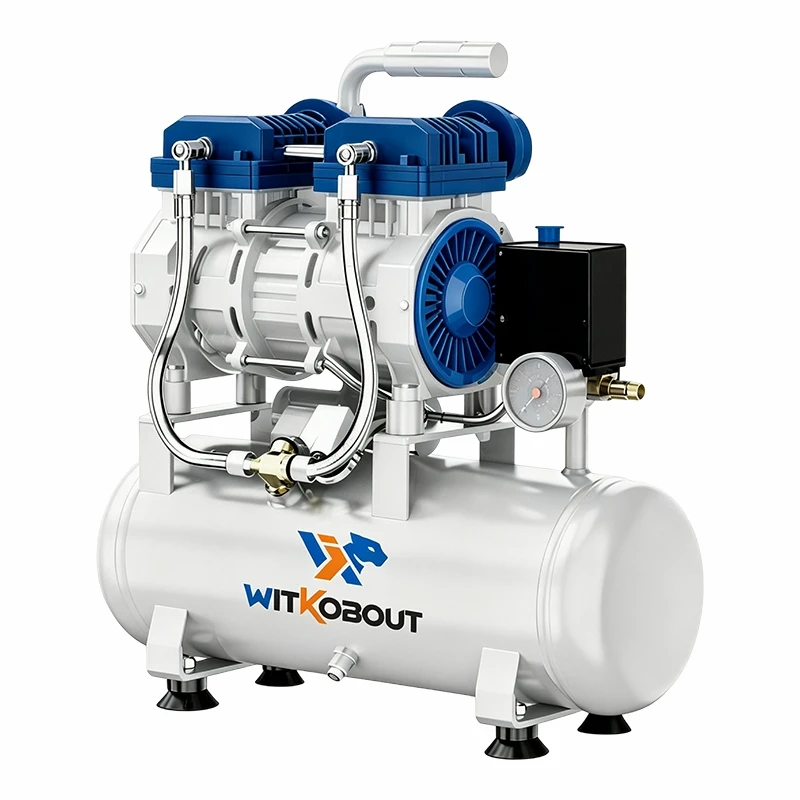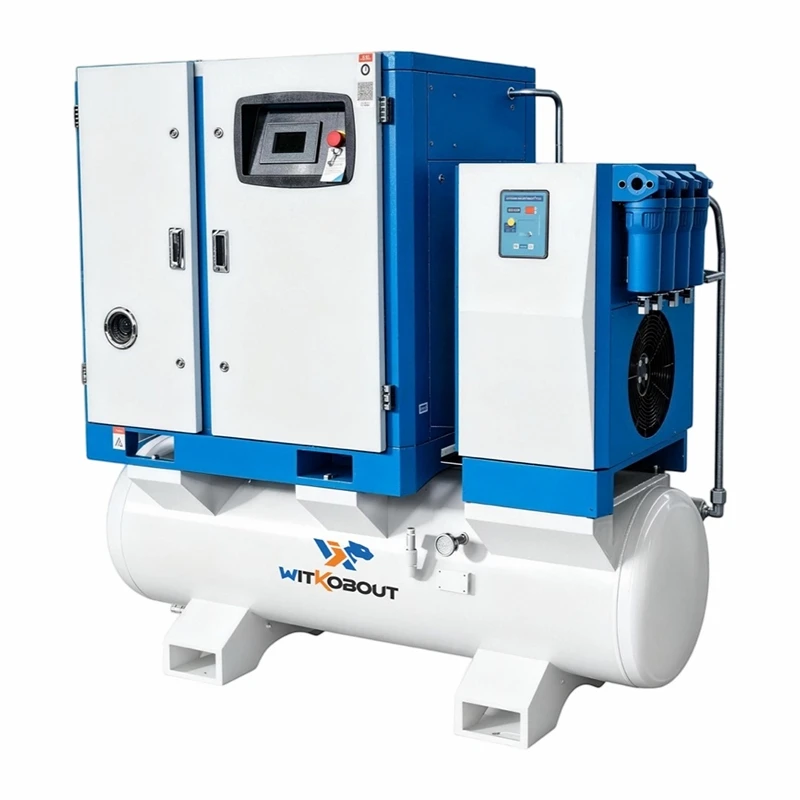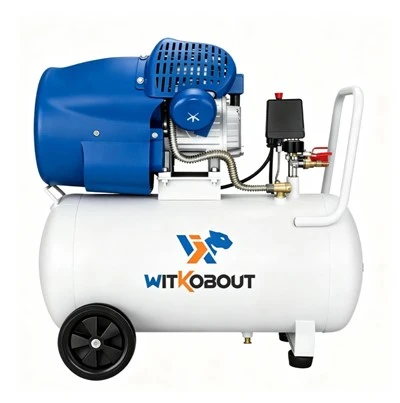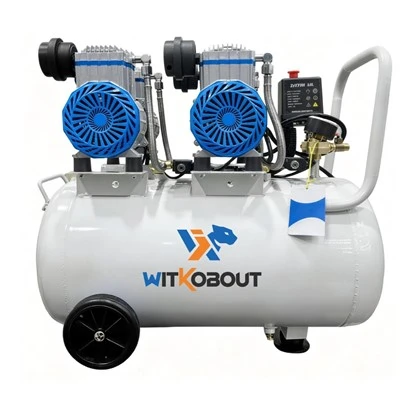
An air tank primarily consists of a tank body, an inlet, an outlet, safety devices, and a drainage system. The tank body is the main component; typically constructed from high-strength materials like steel, it is designed to withstand the pressure exerted by the stored gas. Its size and shape are determined by factors such as storage capacity, operating pressure, and specific application requirements.
In terms of overall structure, air tanks generally feature an enclosed design, with ends shaped as curves or hemispherical heads. This configuration ensures a relatively uniform distribution of internal pressure across the tank body, minimizing the risk of excessive localized stress. Support structures are usually located at the base to ensure stability; large tanks may be secured using legs or mounting brackets.
The tank is equipped with an inlet and an outlet to manage gas flow. The inlet connects to a compressor or other gas supply source, allowing compressed gas to enter and be stored temporarily, while the outlet connects to downstream equipment, supplying gas to the system as needed. Additionally, a drain port is typically located at the bottom to remove condensate-formed when moisture in the air condenses during compression and cooling-which must be discharged periodically.
To ensure operational safety, air tanks are fitted with components such as pressure gauges and safety valves. Pressure gauges allow for monitoring internal pressure, while safety valves release pressure if it exceeds specified limits, preventing dangerous over-pressurization. Through the effective integration of these components, the air tank performs the functions of gas storage, pressure stabilization, and safe gas supply.