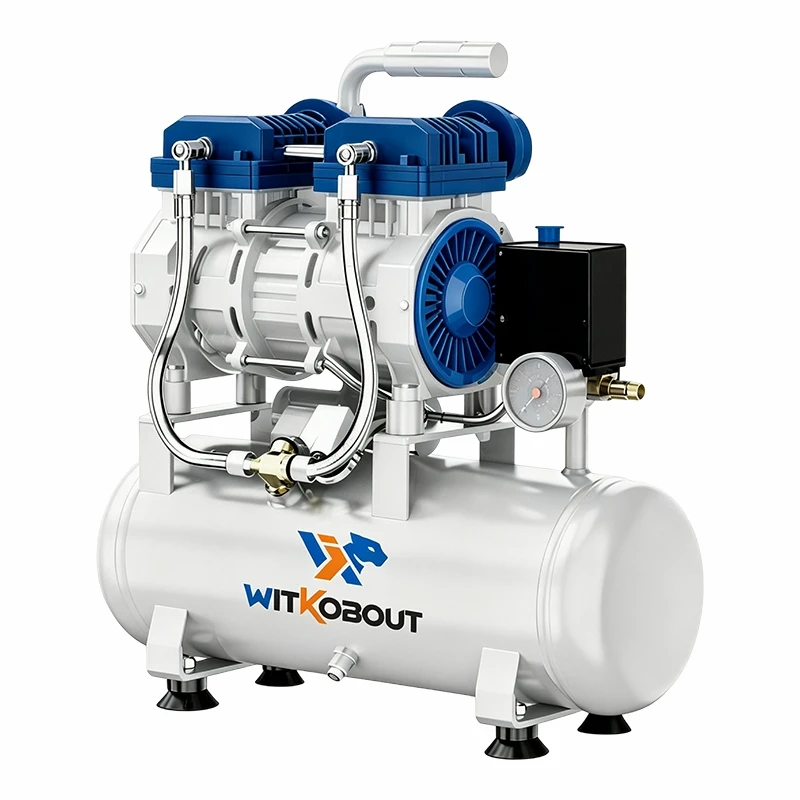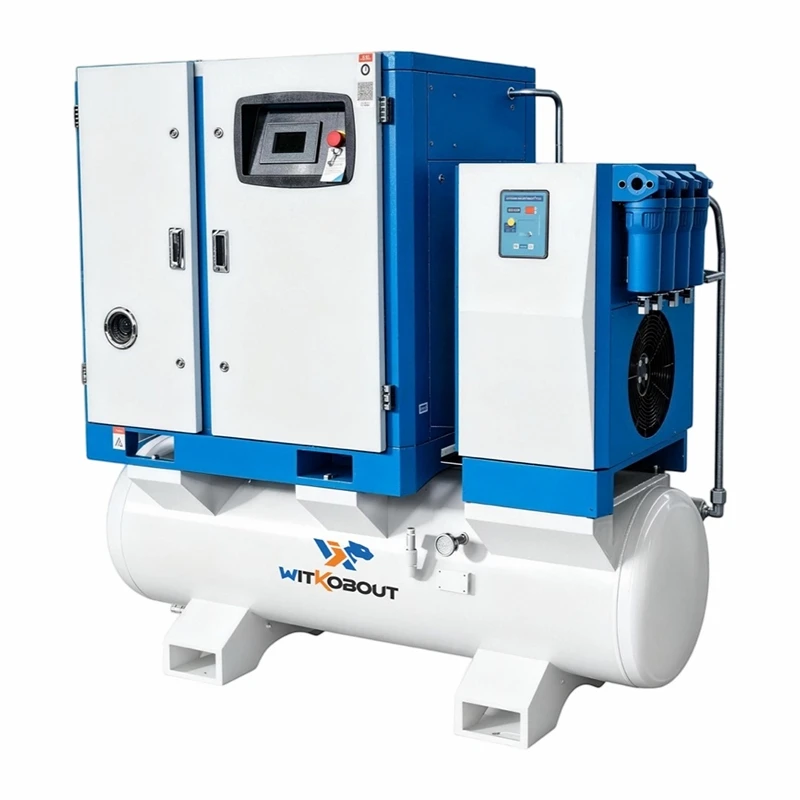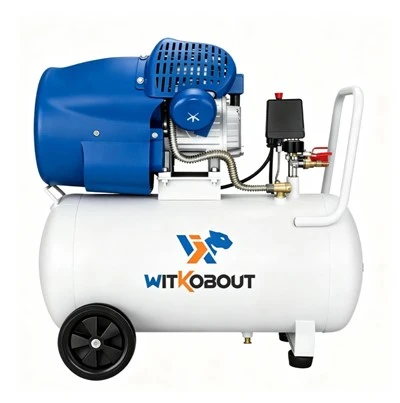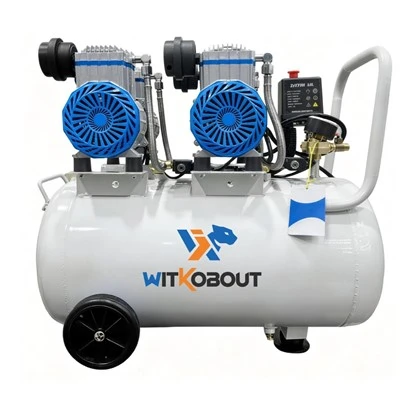
A gas tank is a device used to store and regulate gas, finding widespread application in industrial production. It typically stores compressed gas within its vessel and releases it when needed. In this way, it serves to store gas, stabilize pressure, and regulate supply volume, ensuring the smoother operation of the entire gas supply system.
A key characteristic of gas tanks is their high pressure-bearing capacity. Because they store compressed gas, the tanks must be constructed from high-strength materials and feature a sound structural design. During normal operation, the tank withstands specific internal pressures; regular inspections are also required to ensure the vessel remains free from significant deformation, corrosion, or other issues.
Gas tanks also provide a buffering effect. When gas consumption fluctuates suddenly, the tank can temporarily store or supply gas to mitigate pressure variations. If gas produced by the compressor is not consumed immediately, the excess can be stored in the tank; this reduces the frequency of compressor start-ups and enhances operational stability.
Gas tanks generally feature a simple structure that is relatively easy to use and maintain, though safety precautions remain essential during operation. Due to the high internal pressure, the tank must not exceed its rated working pressure, and tasks such as draining condensate, inspecting the unit, and performing maintenance must be carried out diligently. Overall, with their capabilities for gas storage, pressure stabilization, buffering, and supply regulation, gas tanks are vital components of compressed air systems.