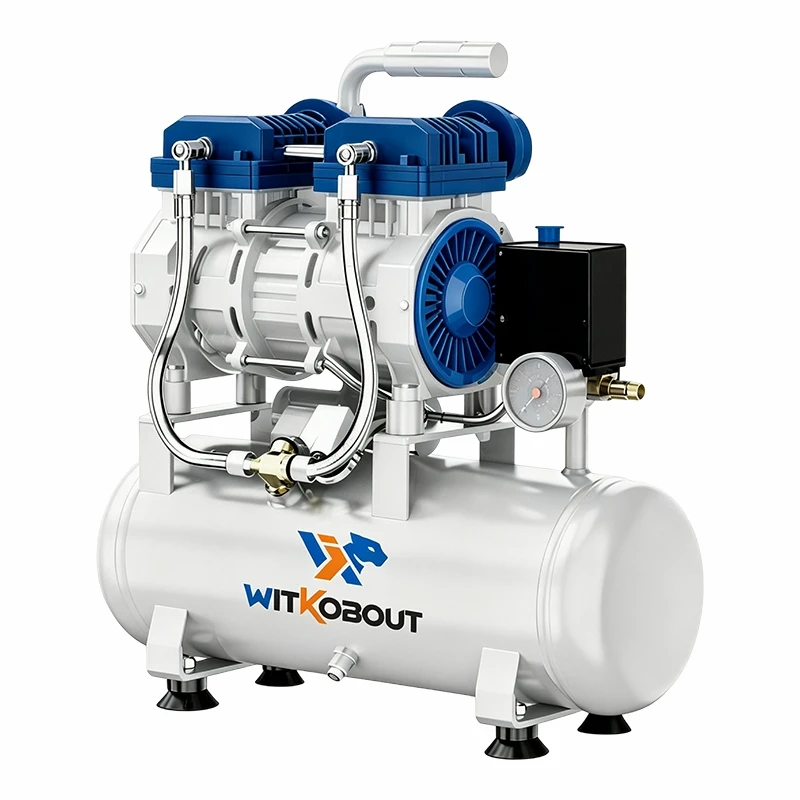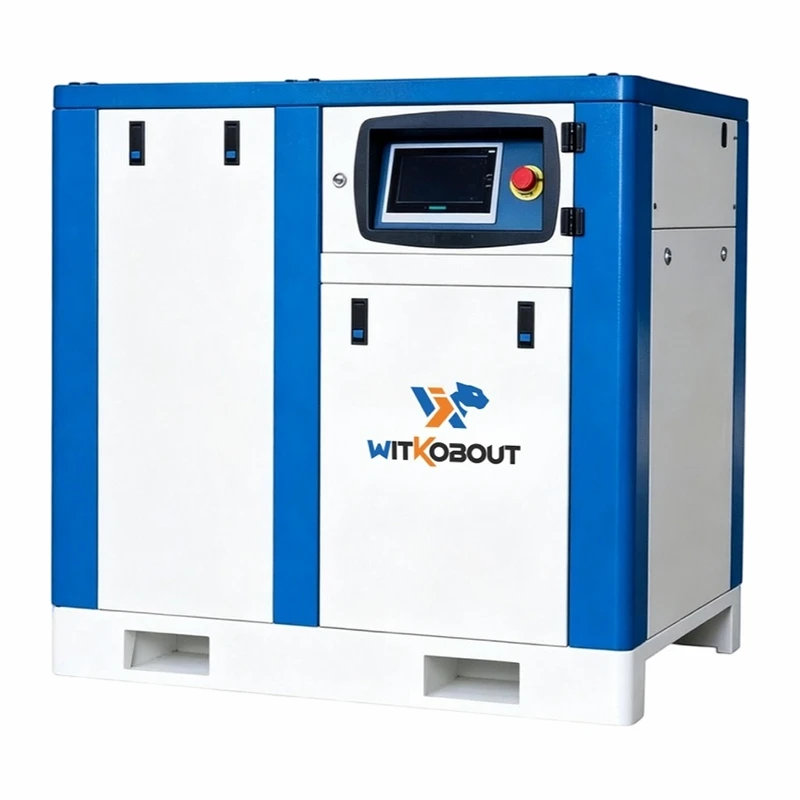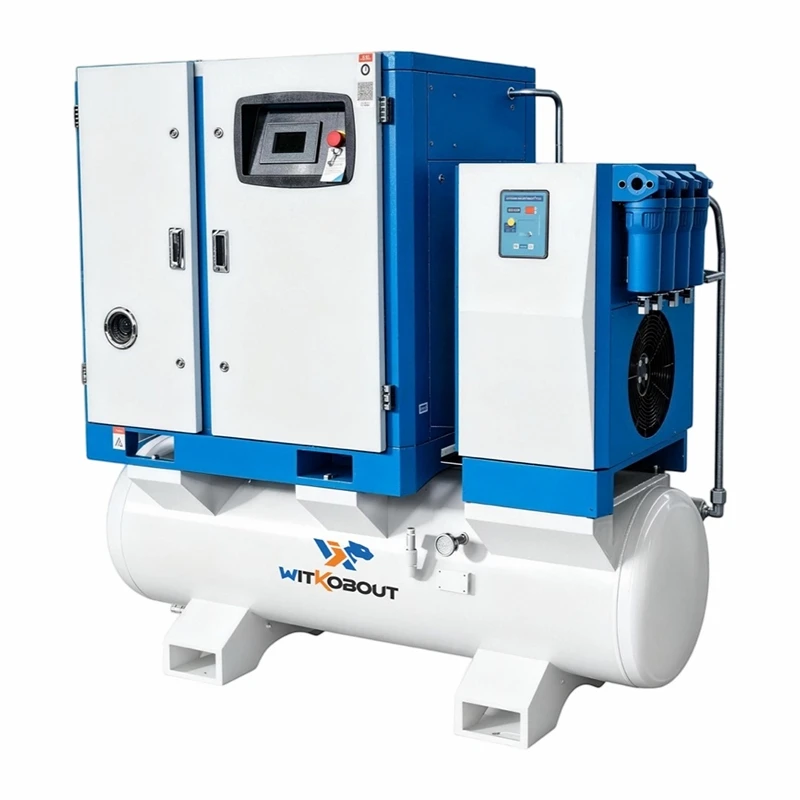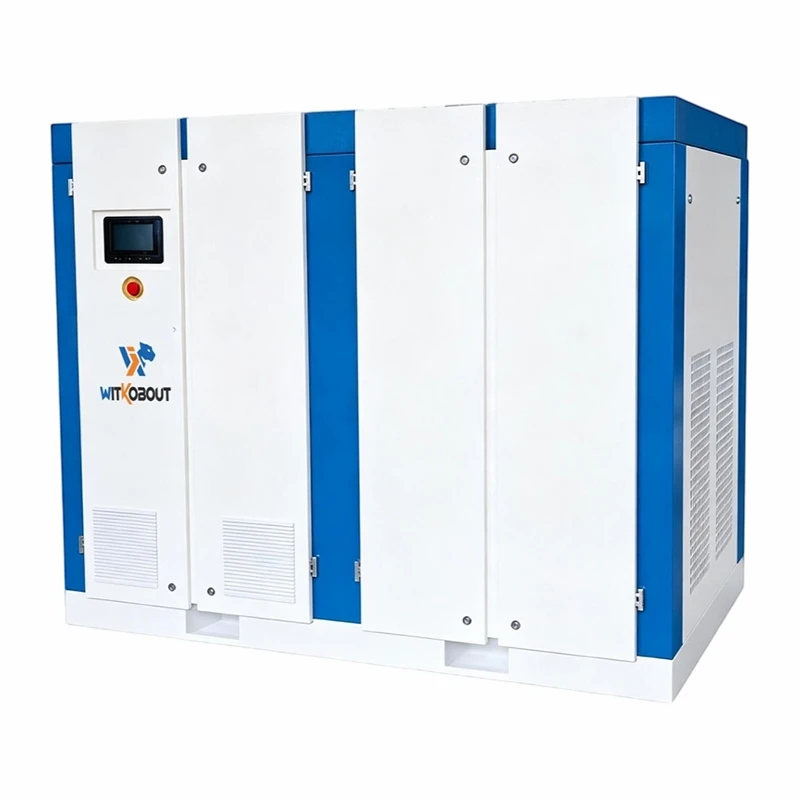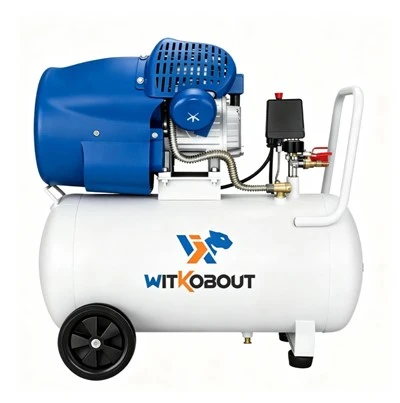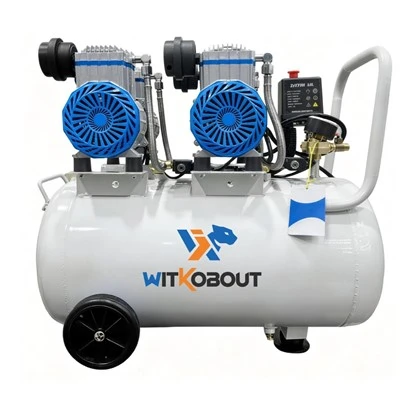
Key technical parameters for gas tanks include volume, working pressure, design pressure, and operating temperature; these factors directly influence the tank's performance and safety. Volume refers to the gas storage capacity, typically measured in liters (L) or cubic meters (m³); generally, equipment with higher gas consumption requires a larger tank volume. Working pressure is the internal gas pressure during normal operation, usually measured in megapascals (MPa). Design pressure is a parameter determined by the equipment's structure, materials, and operating conditions; it is typically set higher than the normal working pressure to provide a safety margin for operation.
Operating temperature is another critical technical parameter. Since different materials have varying temperature tolerances, the choice of tank must align with the actual operating environment. Excessive temperatures can compromise the strength of the tank material, while excessively low temperatures may adversely affect material properties. Additionally, specifications regarding inlet and outlet sizes, drainage methods, safety valves, and pressure gauges are important. These components must be compatible with the overall compressed air system to avoid impairing gas delivery efficiency or normal equipment operation.
When selecting a gas tank, one must also consider factors such as tank material, equipment weight, physical dimensions, and design service life. Tank materials-commonly carbon steel or stainless steel-are selected based on working pressure, gas properties, and the operating environment. Physical dimensions must be considered in relation to the installation site to ensure proper installation while facilitating future inspection and maintenance. Furthermore, the configuration of safety accessories, such as safety valves and pressure gauges, is crucial. Only when all technical parameters are properly matched can the gas tank meet storage and pressure stabilization requirements while ensuring long-term, stable equipment operation.