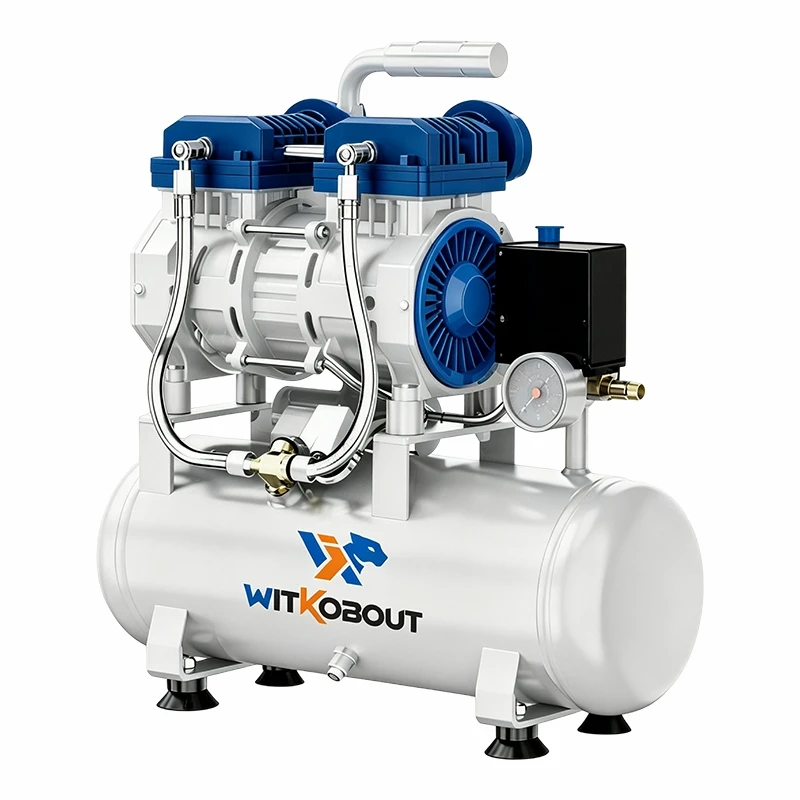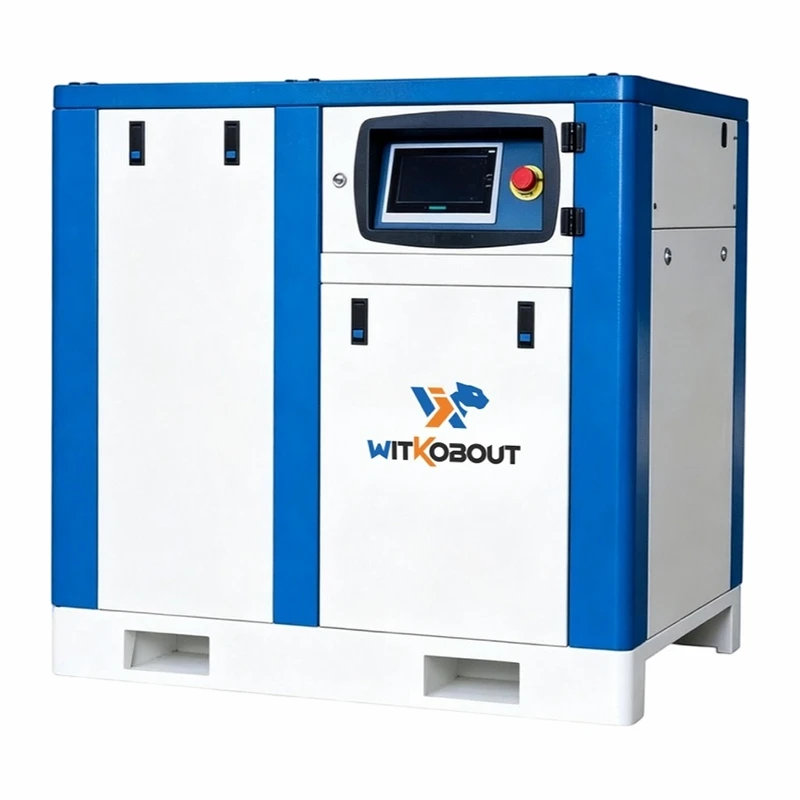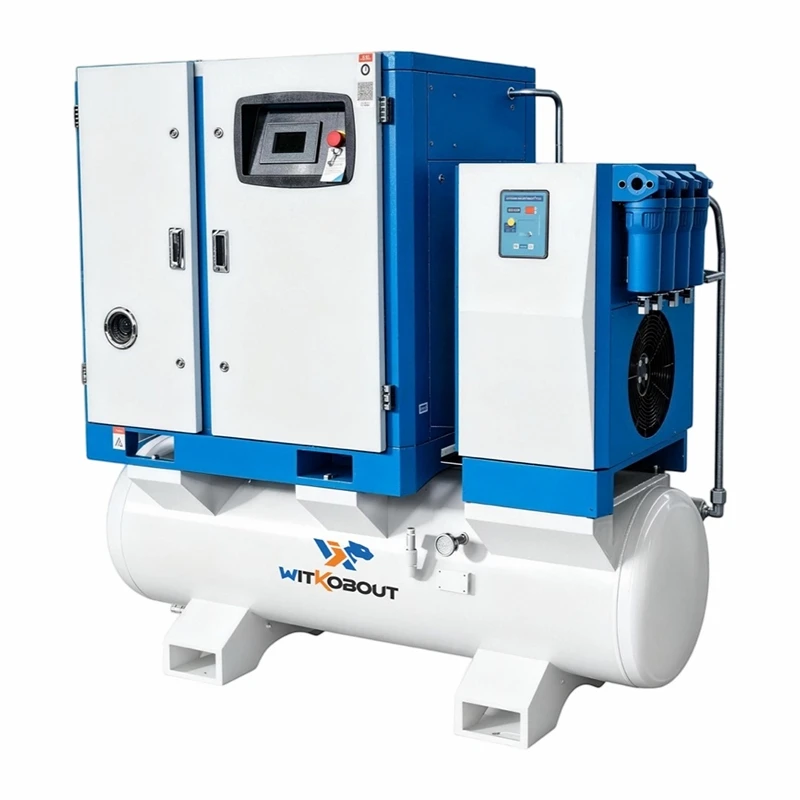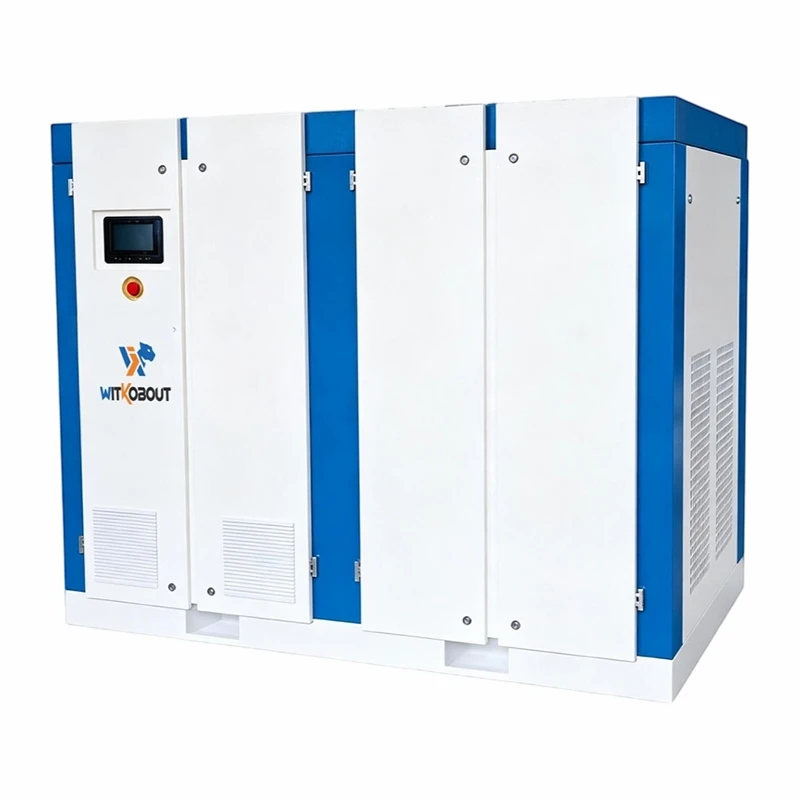
The core environmental protection concept of compressors is primarily reflected in energy conservation, consumption reduction, and low-carbon operation, which runs through the entire process of equipment design and daily use. The equipment relies on an efficient compression structure to improve the conversion efficiency of mechanical energy and pneumatic energy, reduce energy loss during the operation process, and eliminate the operational drawbacks of high energy consumption and low efficiency of traditional equipment. Through the intelligent load regulation mode, the equipment can automatically switch operating conditions according to the actual gas consumption in the workshop, reasonably control the no-load and full load operation states, and effectively reduce ineffective power consumption. Daily standardized operation and regular maintenance further ensure that the equipment is always in an efficient operating state, achieving energy conservation and consumption reduction from the source, and meeting the green and low-carbon production development needs of the factory.
Strictly controlling pollution emissions and purifying the working environment are important concepts for the environmentally friendly operation of compressors. The equipment is equipped with a complete oil and gas separation and air filtration system, which can effectively filter dust impurities and oil mist pollutants in compressed air, avoiding direct discharge of oily waste gas and dust that can cause air pollution in the factory area. Compared to old equipment, the new compressor optimizes the exhaust gas treatment structure, significantly reduces the emission of unorganized pollutants, and maintains the exhaust cleanliness standard. At the same time, by standardizing equipment operation and maintenance, timely addressing issues such as oil leakage and filter blockage, eliminating oil pollution and dust pollution, comprehensively improving the workshop production environment, and implementing clean production standards.
Standardizing waste disposal and eliminating secondary pollution are key aspects of environmental management for compressors. Waste oil, filter cartridges, aging seals, and other waste generated during equipment operation and maintenance are classified and controlled according to environmental standards, distinguishing hazardous waste from ordinary industrial waste. They are collected and centrally disposed of, and are strictly prohibited from being dumped or discarded at will. Waste lubricating oil and other oily pollutants should be stored separately in sealed containers and handed over to professional compliance agencies for treatment to avoid infiltration into the ground and causing soil and water pollution. A fully standardized waste management model effectively avoids secondary pollution caused by equipment operation and maintenance, achieving environmental protection and standardization in production and operation.
The core idea of sustainable environmental protection for compressors is to maintain long-term protection and reduce emissions under stable working conditions. Long term equipment failure and high load operation not only increase energy consumption, but also exacerbate component wear and generate more pollutants. Therefore, daily environmental management is not limited to pollution control, but pays more attention to regular maintenance and repair of equipment, regularly inspecting core environmental supporting components such as heat dissipation, filtration, sealing, and oil and gas separation, timely replacing aging parts, and ensuring stable equipment operating conditions. By maintaining the optimal operating state of the equipment, reducing the consumption of faulty performance, waste, and abnormal pollutants, a long-term stable, green, and compliant production and operation mode can be achieved.