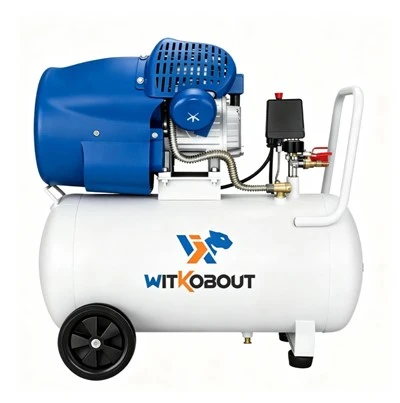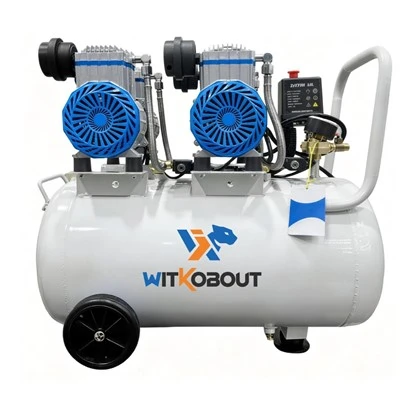
Before starting the compressor, a comprehensive inspection must be completed to ensure that the equipment has normal starting conditions. Operators need to check in advance whether the power lines, wiring terminals, and control system are intact, and confirm that the lubricating oil level is between the standard scale, neither too high nor too low. Carefully check whether the intake filter element, pipeline interface, and valve status are normal, and check whether the grounding and safety protection devices of the machine body are complete and effective. After confirming that there are no air leaks, oil leaks, looseness, or other issues with the equipment, conduct a no-load test run first to observe whether the vibration, sound, and wind pressure of the machine are stable. Only when all operating conditions are normal can it be put into operation with load.
During the normal operation of the equipment, it is necessary to strictly operate according to the rated working conditions, and overloading and overpressure operation are strictly prohibited. During operation, keep the compressor working within the specified pressure and speed range. Do not increase the upper pressure limit or run at full load for a long time without authorization to avoid exacerbating the wear and tear of the main engine and excessive temperature. During the operation of the equipment, good ventilation and heat dissipation should be maintained, and no debris should be piled up around to prevent blockage of the heat dissipation port and heat accumulation. Operators need to regularly inspect the equipment status, pay attention to whether there are any abnormalities in exhaust pressure, oil temperature, and operating noise. If problems such as unstable pressure, abnormal noise, high temperature, oil leakage, etc. are found, they must stop the machine for inspection in a timely manner and prohibit the equipment from continuing to operate with problems.
The shutdown and intermittent operation of the compressor must follow standardized procedures to ensure the service life and operational stability of the equipment. It is strictly prohibited to directly shut down the power during daily shutdown. The equipment should be unloaded and depressurized first, and run without load for a moment. After the internal pressure is released and the temperature drops, it can be shut down normally to avoid sudden pressure changes that may damage the valve group and the main engine. When there is a short-term gas outage in the workshop, the equipment can be kept in standby and unloaded operation. Do not frequently start or stop the equipment to prevent frequent starting of the impact motor and compressor host. Before long-term shutdown, it is necessary to empty the residual pressure in the pipeline, clean the filter dust, and provide dust protection for the machine body. Before restarting, the oil level, air tightness, and electrical status must be rechecked to ensure safe and stable operation.