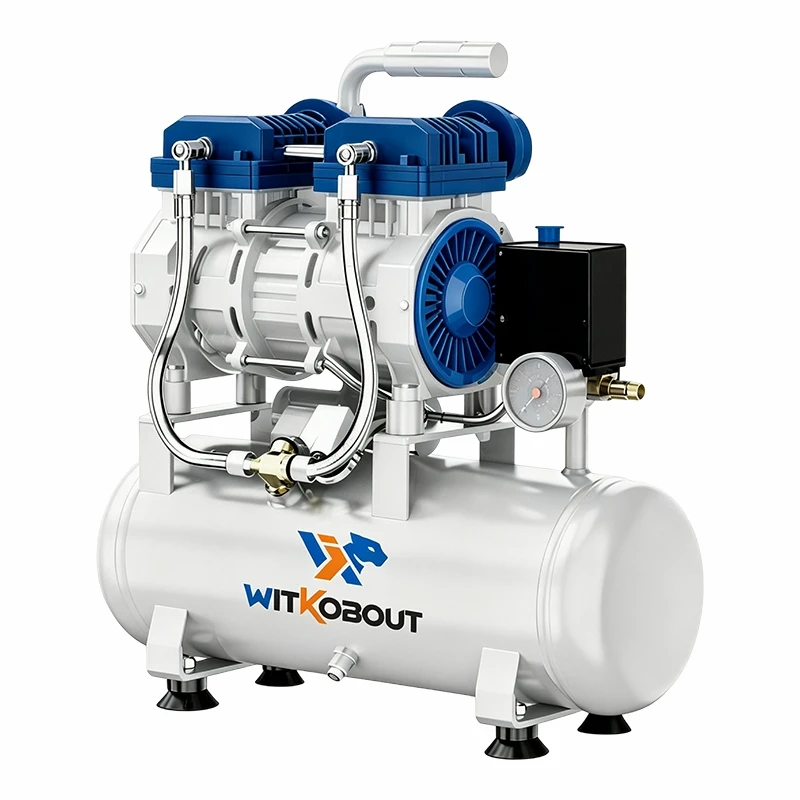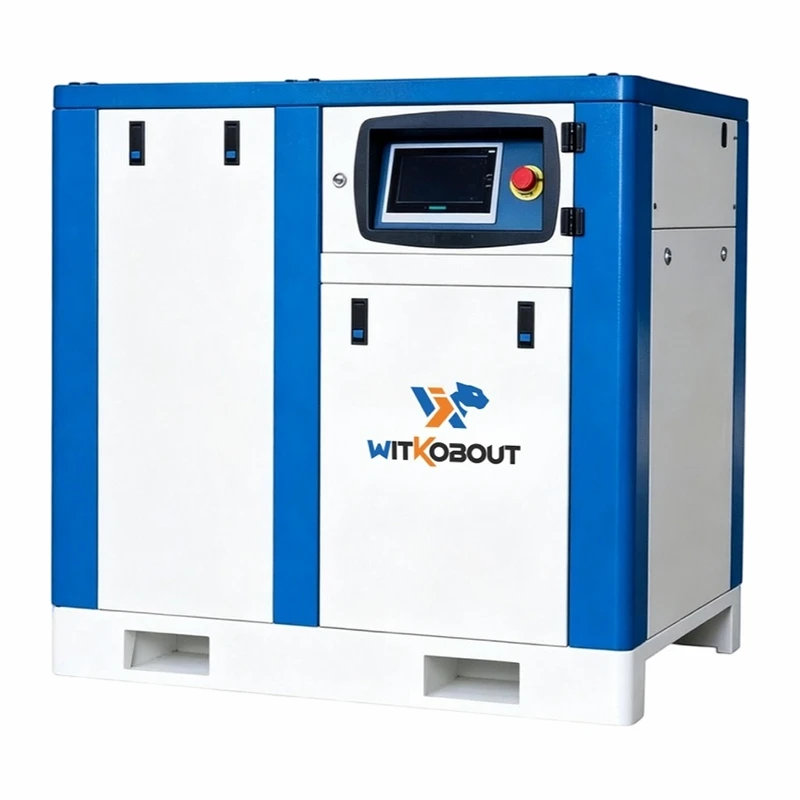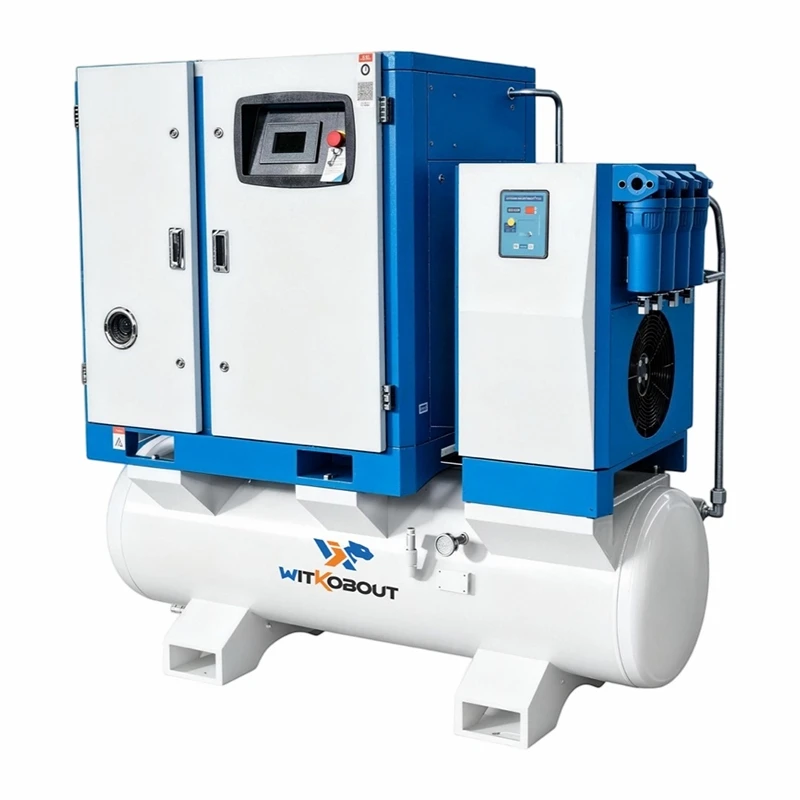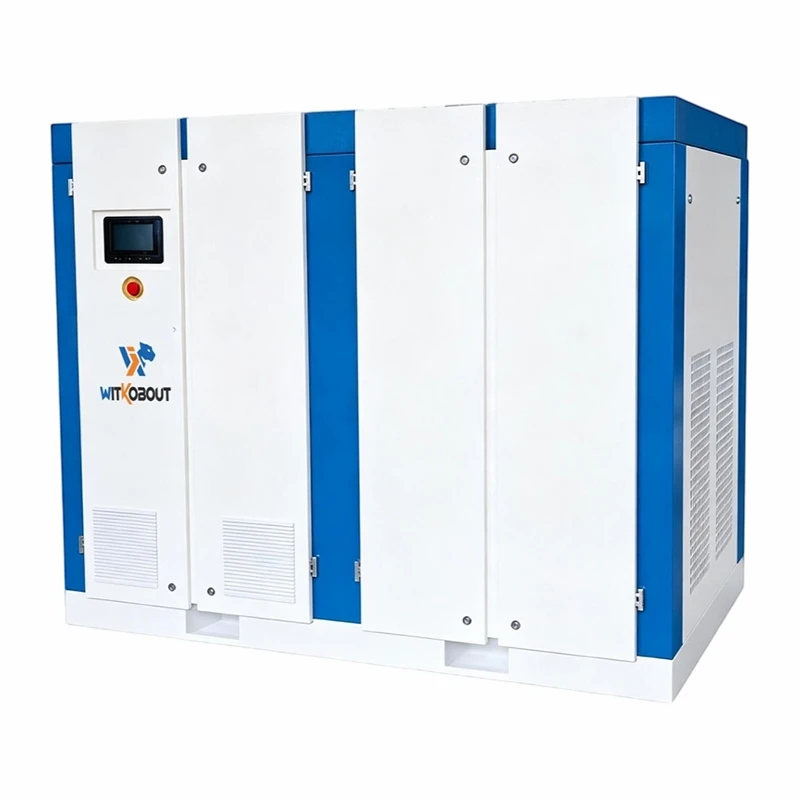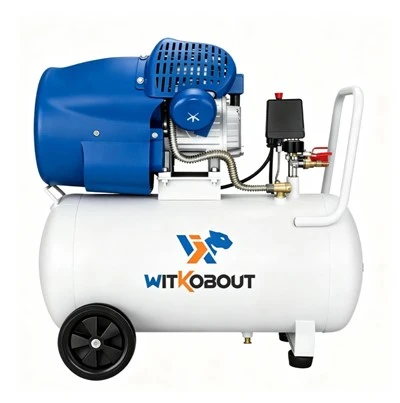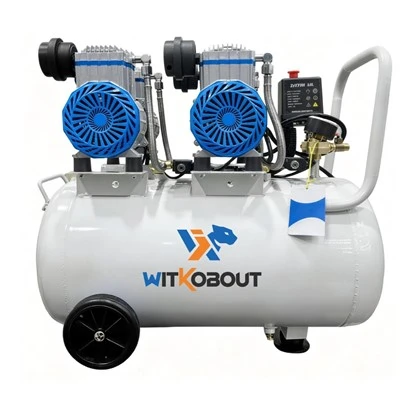
The body and compressor host are the core working components of the compressor and the main structure for completing gas compression. It mainly includes key components such as cylinder body, rotor, bearings, and compression chamber, relying on precise coordination between components to achieve a complete cycle of gas suction, compression, and discharge. During work, the volume of the chamber is changed by rotating the rotor, which compresses the air in a closed manner and converts atmospheric pressure air into high-pressure gas. This component has extremely high requirements for machining accuracy and assembly clearance, with tight fit and strong operational stability. It is the foundation for ensuring the supply pressure and work efficiency of the compressor. Once wear or clearance deviation occurs, it will directly lead to faults such as insufficient supply and unstable pressure.
The intake and exhaust valve group and pressure control system are responsible for accurately regulating the intake and exhaust conditions of the compressor. The intake valve automatically opens and closes according to the operating load of the equipment, controlling the intake volume to avoid no-load overload operation and effectively save energy consumption. The exhaust valve is precisely opened and closed in accordance with the compression rhythm to ensure stable discharge of high-pressure gas, while preventing backflow of high-pressure gas and avoiding pressure disorder in the chamber. The supporting pressure switches, pressure regulating valves and other control components can monitor the internal air pressure in real time, automatically start and stop, stabilize and regulate the pressure, and stabilize the working pressure of the equipment within the standard range. This can not only meet the production gas demand, but also avoid equipment overload caused by high pressure, ensuring the safe and stable operation of the equipment.
Lubrication, heat dissipation, and filtration components are the guarantee components for the long-term operation of compressors. The lubrication system includes an oil pump, oil circuit, lubricating oil, etc., which continuously supplies oil and lubrication to high-speed operating components such as rotors and bearings, reduces mechanical friction and wear, lowers component fatigue loss, and assists in sealing cavity clearances to improve compression efficiency. The heat dissipation component consists of a cooling fan, radiator, and heat exchange pipeline, which can quickly remove the high temperature generated during the compression process, avoiding overheating of the body and carbonization of the engine oil. The intake filter is responsible for filtering dust and impurities in the air, preventing foreign objects from entering the wear chamber inside the main engine, effectively extending the service life of the compressor core components, and reducing the incidence of failures.