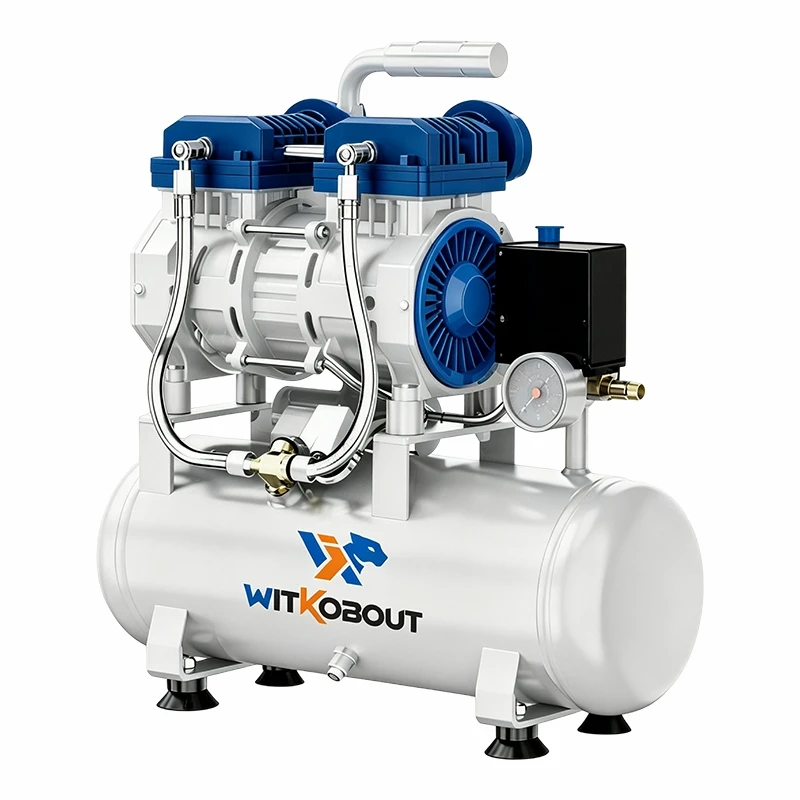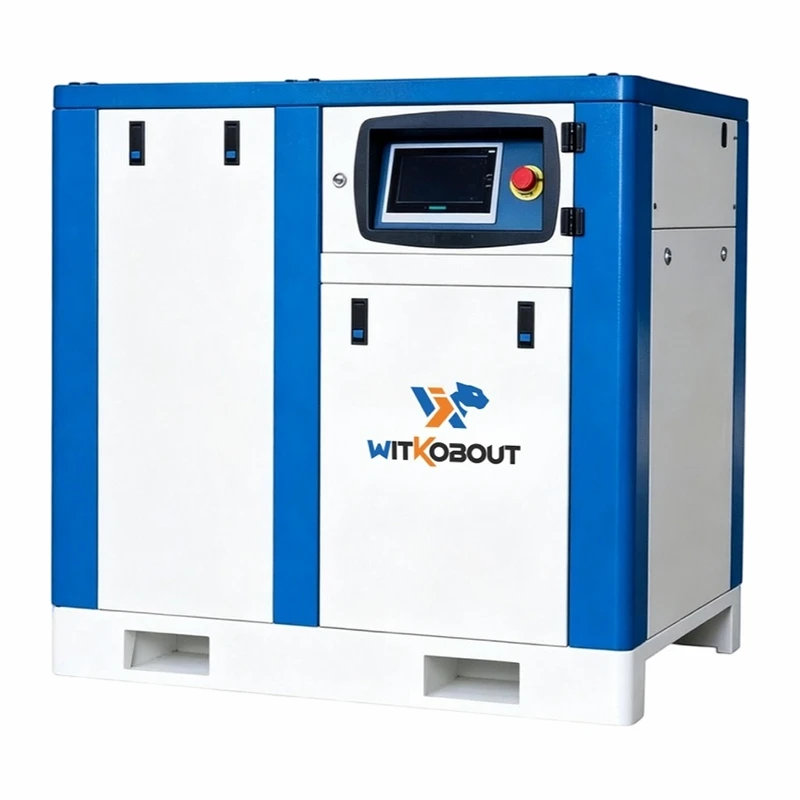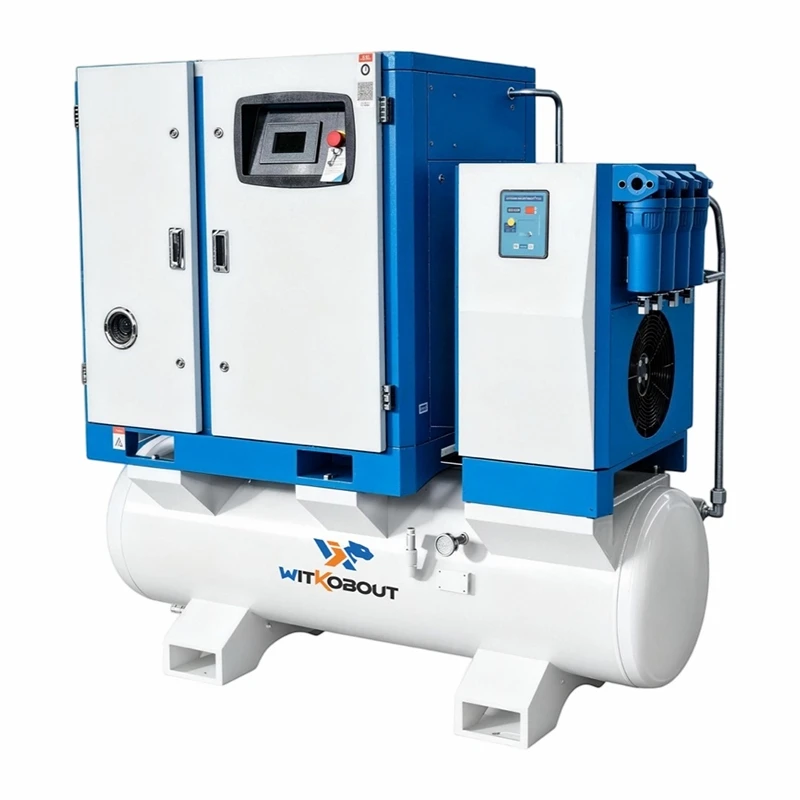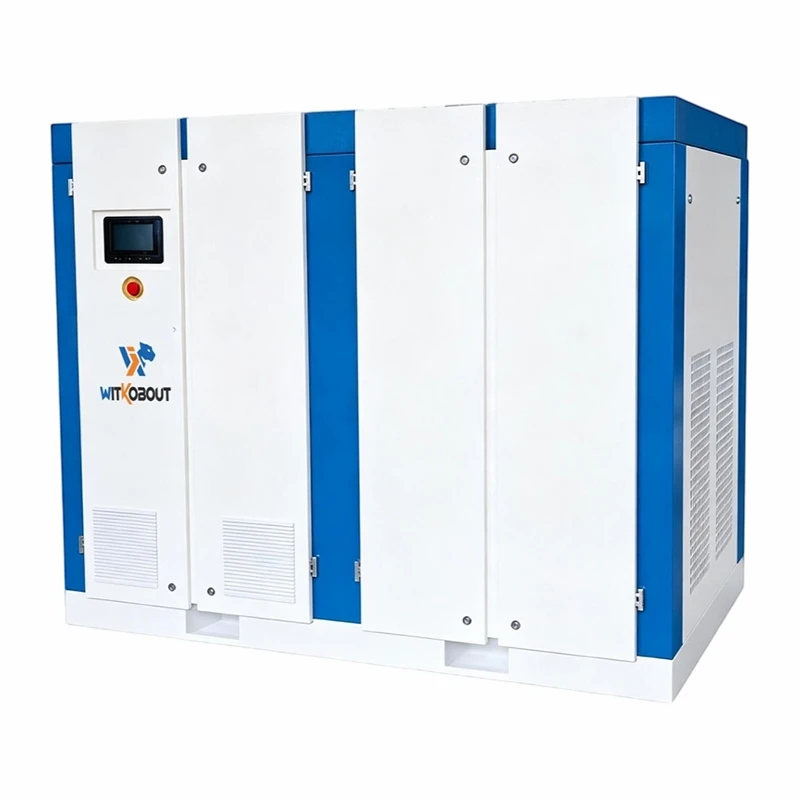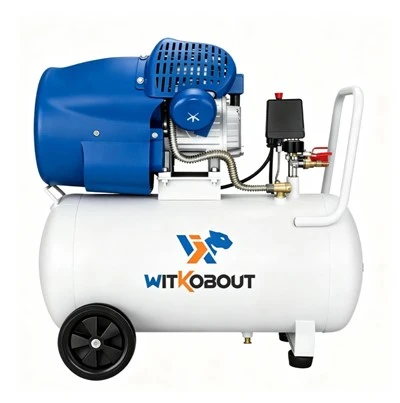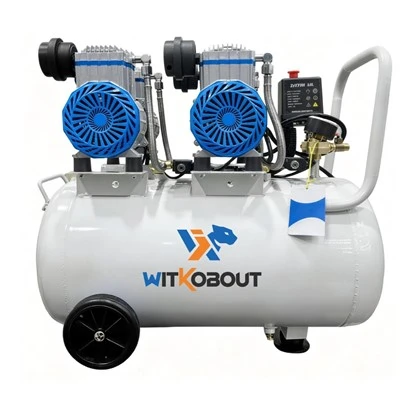
Before transporting the dryer, complete packaging and component protection should be done to prevent moisture, bumps, and damage during transportation. Before transporting the equipment, the entire machine should be cleaned and wiped dry of residual water vapor and material dust. Precise parts such as electrical control cabinets, line interfaces, and sensing instruments should be sealed and protected. Waterproof and moisture-proof films should be wrapped and desiccants should be placed to prevent components from being short circuited due to moisture in rainy, snowy, or humid environments. The exposed machining surfaces, pipeline interfaces, and precision accessories of the machine body need to be equipped with protective covers and cushioning layers to avoid scratches and deformation caused by handling friction. The scattered accessories, seals, and tools that need to be disassembled and transported should be classified, packed, and labeled to prevent loss or disorder, and ensure that the equipment is intact and undamaged as a whole.
The placement and fixation of equipment during loading must strictly follow the specifications to ensure stable and non displaced transportation throughout the process. The dryer must be transported in a vertical and upright position, and it is strictly prohibited to place it upside down, horizontally, or diagonally to avoid deformation of the internal compressor and transmission structure under stress, and the backflow of lubricating oil affecting equipment performance. When loading, locate the center of gravity of the equipment and place it in the center. Use specialized tools such as wedges, steel belts, and straps to firmly fix the machine body in the transport carriage. Choose a sturdy position for the reinforcement point of the frame. It is forbidden to directly bind the shell, pipeline, and precision components. The gap between the equipment and the carriage, as well as between the equipment, should be filled with cushioning materials to prevent displacement, collision, and structural looseness caused by vehicle driving bumps, brake shaking.
During transportation and unloading handover, it is necessary to standardize and control the entire process to ensure the safe delivery of equipment. During transportation, try to drive smoothly and avoid sudden acceleration, sudden braking, and severe bumps. Long distance transportation should be covered with tarpaulin throughout the journey, and rain, dust, and sun protection measures should be taken to avoid damage to equipment caused by adverse weather conditions. When unloading at the site, select lifting equipment of matching tonnage, locate the lifting force point and lift smoothly, avoid single point hard lifting, diagonal dragging, and prevent deformation of the machine body and detachment of accessories. After unloading, promptly open the box and inspect the appearance, electrical components, and structural accessories of the entire machine to ensure that they are intact. Check the spare parts list and confirm that there is no transportation damage before completing the handover to ensure that the equipment can be installed and debugged normally after entering the site.