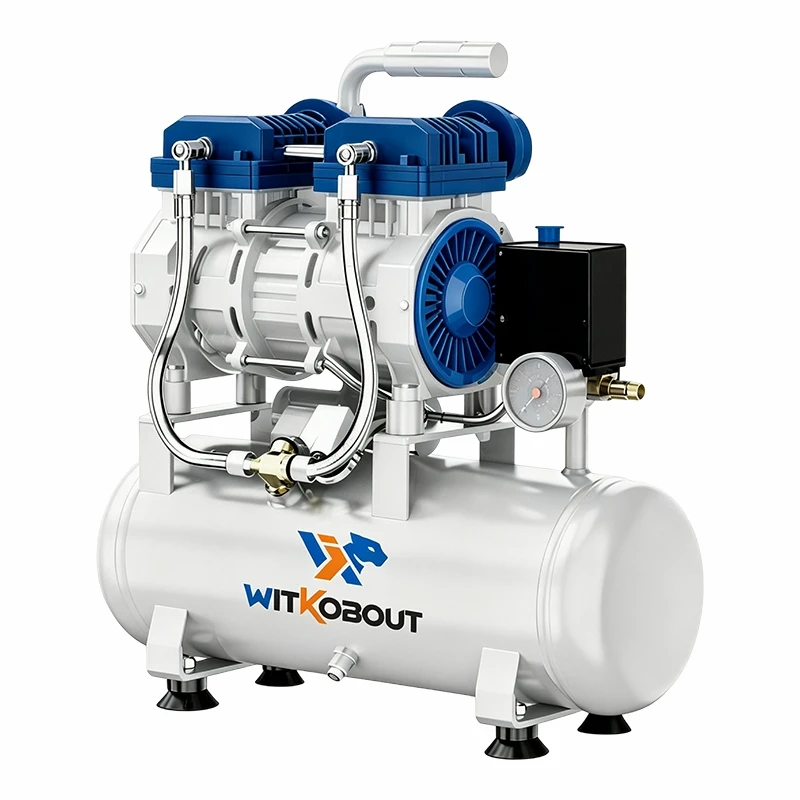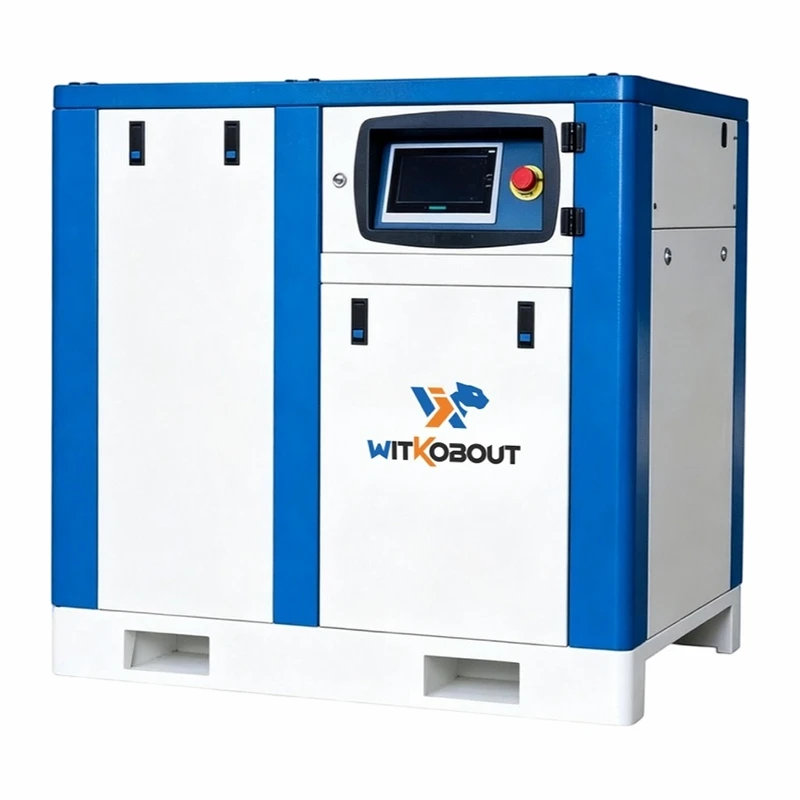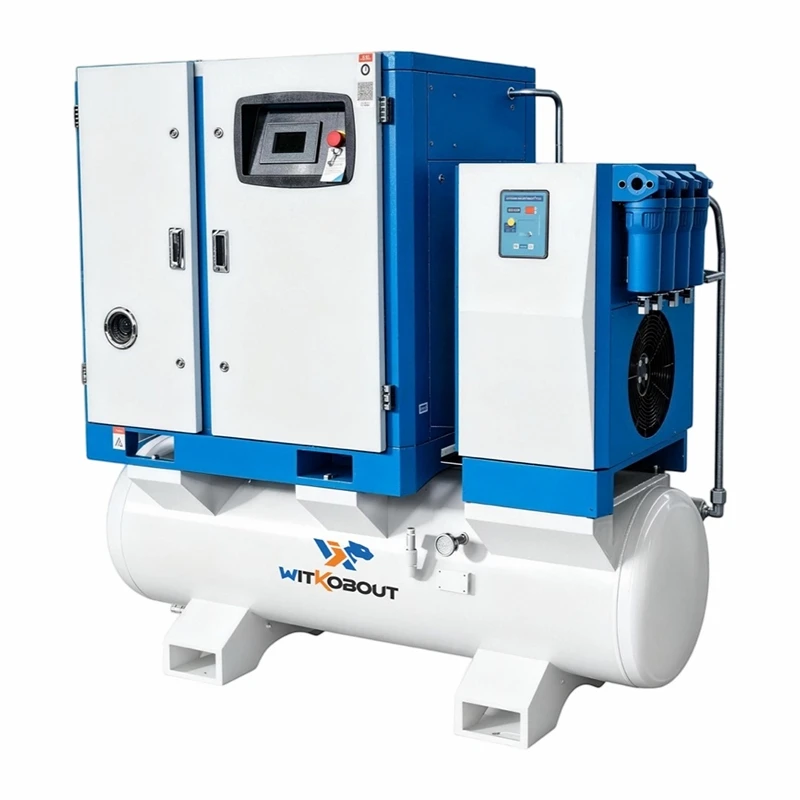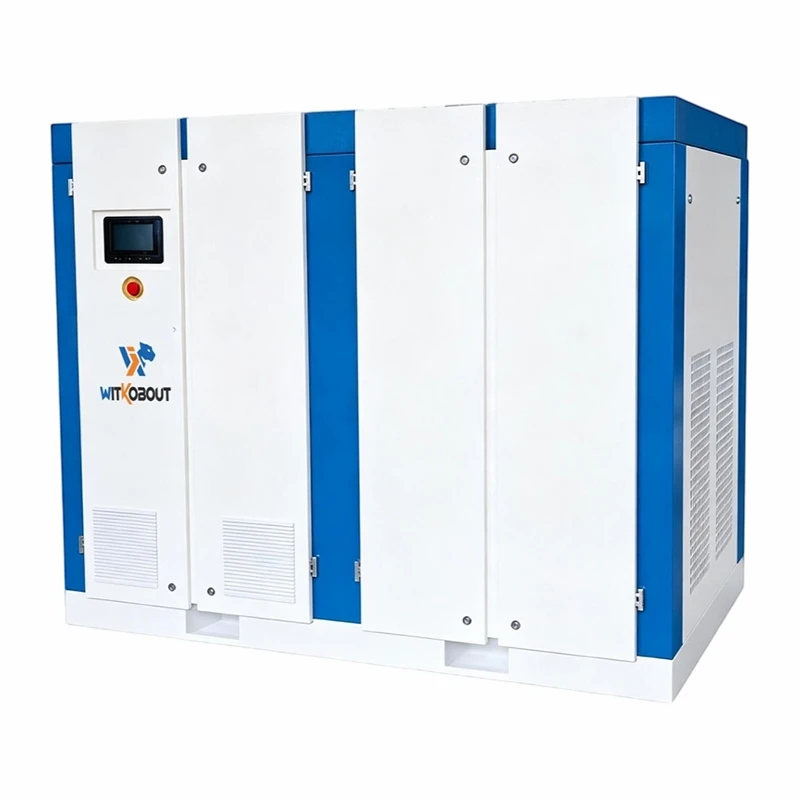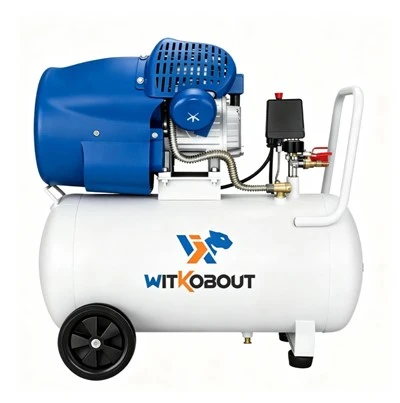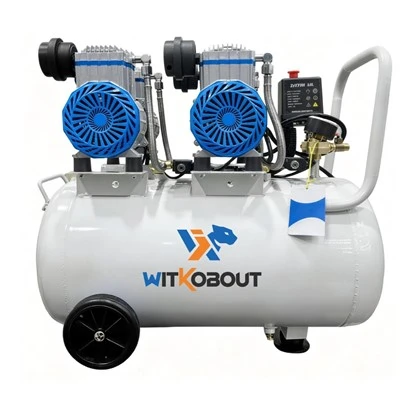
Daily basic inspection is a prerequisite for the stable operation of the compressor, and it is necessary to carry out regular inspections before and after starting up. Before each startup, it is necessary to check whether the power supply, wiring connections, and control switches of the equipment are normal, whether the lubricating oil level is within the standard scale range, and whether there is a lack of oil, cloudy or deteriorated oil quality. At the same time, carefully inspect whether there is any air or oil leakage at the connections of pipelines, valves, and the body, clean up the debris accumulated around the equipment's heat dissipation port and the body, and ensure smooth ventilation and heat dissipation. After starting up, observe whether the sound, vibration, and pressure changes of the equipment are normal. If any abnormal problems are found, stop the machine in a timely manner to prevent the equipment from running with problems.
Regularly clean the filtering and cooling components to effectively delay equipment aging and reduce operational failures. The intake filter element of the compressor is a key cleaning component, and long-term operation will accumulate a large amount of dust and impurities. It needs to be regularly disassembled, blown, and cleaned according to the dust situation in the workshop. If it is severely clogged, it should be replaced in a timely manner to avoid insufficient intake and decreased efficiency caused by filter element blockage. In daily life, it is necessary to keep the surface of the radiator and cooling fan clean and dust-free, to ensure that the heat generated during the compression process of the equipment can be dissipated in a timely manner, and to prevent high temperature accumulation and high oil temperature in the body. Timely clean the oil stains and dust on the surface of the machine body, maintain the overall cleanliness of the equipment, and reduce dust entering the interior of the equipment causing wear and tear.
Standardizing lubrication maintenance and oil and gas system maintenance is the key to extending the service life of the host. Strictly follow the equipment maintenance cycle to replace specialized lubricating oil, prohibit mixing inferior engine oil, and avoid insufficient lubrication effect causing rotor and bearing wear. Daily attention should be paid to the oil pressure and supply status of equipment to ensure smooth oil flow and even lubrication, so that high-speed operating components are always in good lubrication condition. Regularly inspect the working conditions of the oil and gas separation system, replace aging seals and oil and gas filters in a timely manner, prevent excessive oil content in compressed air, and avoid problems such as oil leakage and unstable pressure in the oil circuit, ensuring the quality of compressed air and the stability of equipment operation.
Equipment shutdown maintenance and periodic maintenance can effectively improve equipment durability. After the daily homework is completed, the power cannot be directly cut off and the machine cannot be stopped. It is necessary to first unload and release pressure, run without load for a moment, wait for the machine to cool down before shutting down normally, and then turn off the main power and drain the residual pressure and water in the pipeline. Short term shutdown of equipment requires dust cover on the body, while long-term idle equipment requires regular no-load test runs to prevent components from getting damp and jamming. Regularly carry out comprehensive maintenance, tighten loose screws on the machine body, check the working conditions of the valve group, calibrate pressure parameters, replace aging and worn parts in a timely manner, identify potential faults in advance, and ensure long-term stable, safe, and efficient operation of the equipment.