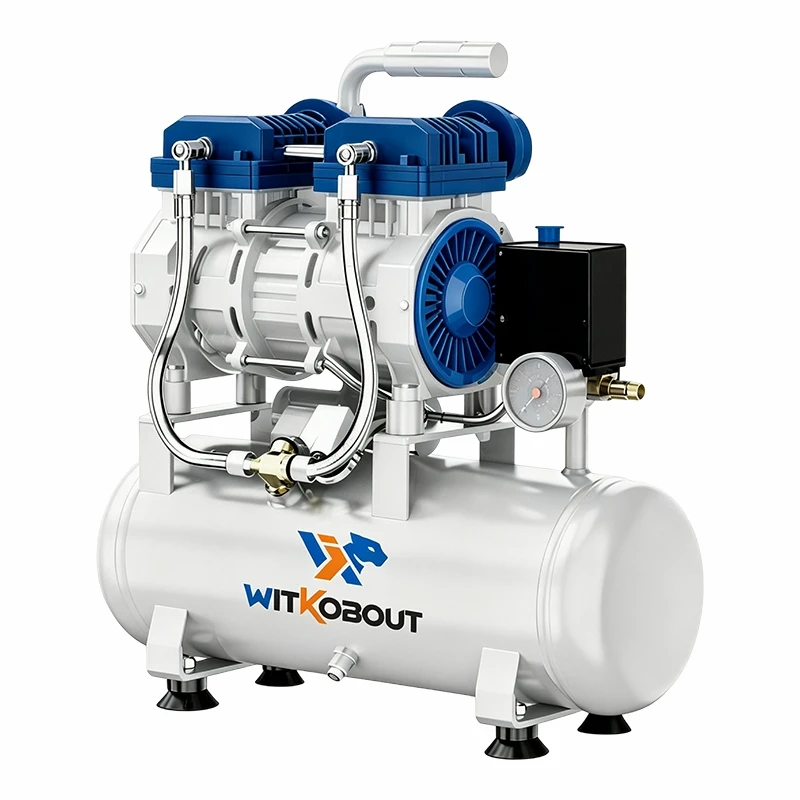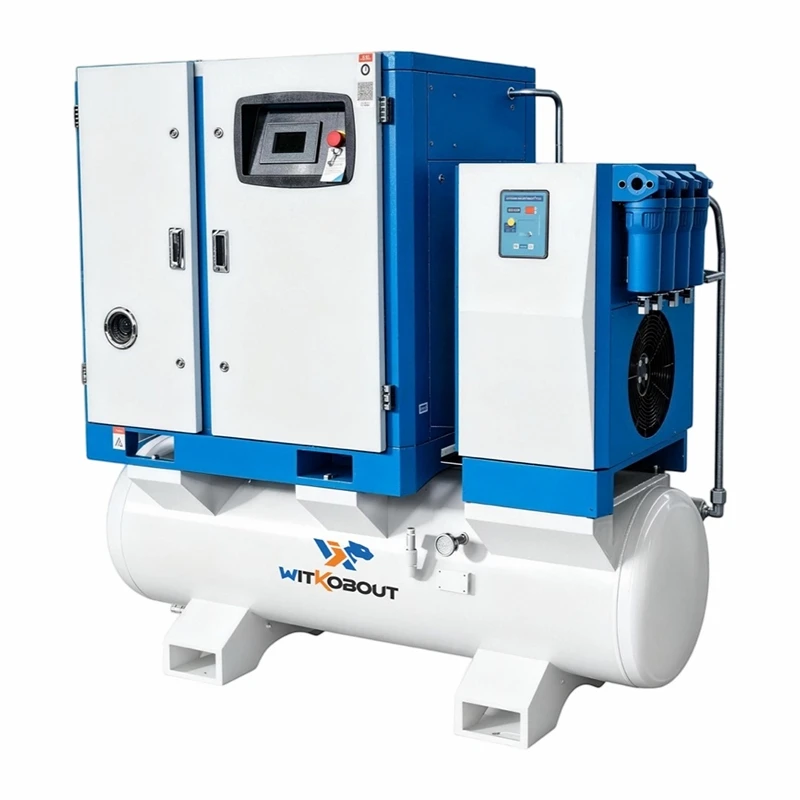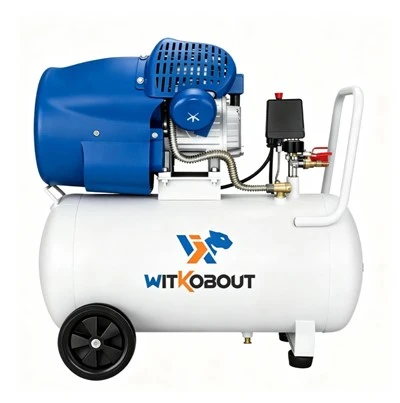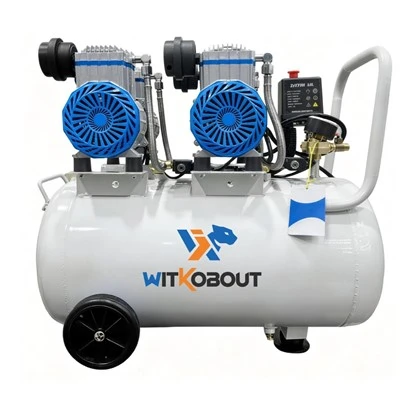
When selecting materials for gas tanks, the primary considerations are the equipment's pressure-bearing capacity and operational safety. Since the tanks store gas under pressure, they cannot be constructed from ordinary, low-strength materials. Currently, carbon steel and low-alloy steel are the most common choices; these materials offer high strength and good toughness, enabling them to withstand significant internal pressure while remaining relatively easy to process and weld. Carbon steel is frequently used for standard compressed air storage tanks due to its lower cost and ability to meet requirements in most typical operating environments. However, for tanks subjected to higher pressures or complex operating conditions, higher-strength low-alloy steels are selected to enhance equipment reliability.
Stainless steel is also used as a primary material for tanks intended for specialized applications. It offers excellent corrosion resistance, making it particularly suitable for environments with high humidity where condensation is likely to occur. If moisture remains inside the tank for extended periods, ordinary carbon steel is prone to rusting and corrosion, which can eventually compromise the tank's service life. Consequently, stainless steel is a viable option for applications demanding high standards of hygiene and corrosion resistance. However, given that stainless steel is generally more expensive than standard steel, it is not used for every tank; the choice depends on factors such as the operating environment, equipment specifications, and cost.
Beyond sufficient strength, material selection must also account for weldability, corrosion resistance, and long-term stability. Gas tanks are typically fabricated by rolling and welding steel plates, and the quality of the welds significantly impacts the overall safety of the equipment. Therefore, material selection should not be based on price alone but must consider design pressure, operating temperature, gas properties, and the operating environment. Additionally, to minimize the impact of atmospheric moisture and impurities, the tank's exterior is usually treated with anti-rust coatings or paint. Ultimately, the choice of material directly affects the tank's strength, service life, and safety, necessitating a selection process tailored to specific operating conditions.